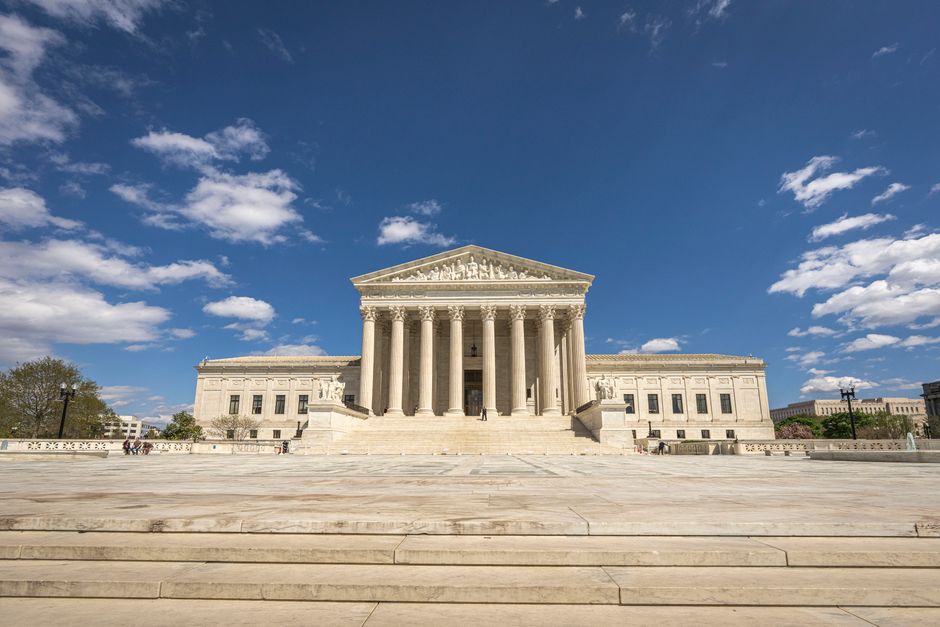
India’s Supreme Court has recently ordered the Central Bureau of Investigation (CBI) to launch an inquiry into serious allegations concerning the allocation of Public Works Department (PWD) contracts in Arunachal Pradesh. The directive specifically targets claims that these government contracts were awarded to businesses reportedly connected to the relatives of the state's Chief Minister, Pema Khandu, raising questions about potential conflicts of interest and impropriety in public procurement processes.
Key points
- The Supreme Court of India has mandated a CBI investigation into specific allegations.
- The probe focuses on Public Works Department (PWD) contracts in Arunachal Pradesh.
- Allegations suggest these contracts were awarded to firms with ties to Chief Minister Pema Khandu's kin.
- The order highlights concerns regarding transparency and fairness in government contracting.
- The CBI, a premier investigative agency, will now examine the veracity of these claims.
What we know so far
As per the Supreme Court's pronouncement, the core issue revolves around allegations that certain Public Works Department contracts within the state of Arunachal Pradesh were not distributed through entirely impartial means. Instead, it is alleged that these lucrative government contracts were channeled towards entities that have direct or indirect associations with the family members or close relatives of the current Chief Minister, Pema Khandu. The Supreme Court's decision to hand over the investigation to the CBI underscores the gravity with which these accusations are being viewed, necessitating a thorough and independent examination to ascertain the facts. At this stage, the investigation is centered on verifying these claims and determining if any undue influence or unlawful practices occurred in the contract allocation process.
Context and background
The Supreme Court of India, as the apex judicial body, often intervenes in matters of significant public interest, particularly when allegations of corruption or misuse of power involving public officials emerge. Its role includes ensuring justice, upholding the rule of law, and safeguarding public trust in governance. The decision to order a CBI inquiry is not taken lightly; it typically signals that the allegations are serious enough to warrant investigation by a central agency, often due to the involvement of high-ranking political figures or the potential for widespread implications.
The Central Bureau of Investigation (CBI) is India's primary investigative agency, tasked with handling complex cases that may involve corruption, economic offenses, and serious crimes. When the Supreme Court directs the CBI to investigate, it brings the weight of an independent, federal agency known for its expertise in white-collar crime and political corruption probes. This ensures that the investigation is conducted without potential interference from state-level political influences, thereby promoting impartiality and public confidence in the process.
Public Works Department (PWD) contracts are fundamental to a state's development, encompassing projects like roads, bridges, public buildings, and other critical infrastructure. The allocation of these contracts involves substantial public funds, making transparency and fairness paramount. Any allegations of favoritism, nepotism, or corruption in this sector are particularly concerning because they can lead to substandard work, inflated costs, and a diversion of resources meant for public welfare. Such practices undermine good governance, erode public trust, and can hinder economic development by compromising the quality and efficiency of infrastructure projects.
In the Indian context, "kin" typically refers to close family members or relatives. Allegations linking government contracts to the kin of a Chief Minister raise serious ethical and legal questions about conflicts of interest. Public officials are expected to uphold the highest standards of integrity, ensuring that their decisions are based solely on public interest, not personal gain or the benefit of their family members. The potential for nepotism or cronyism in contract allocation can lead to unfair competition, disadvantaging deserving firms and ultimately costing taxpayers more while delivering less value.
Arunachal Pradesh, located in India's northeastern region, is a strategically important state with unique geographical and developmental challenges. Ensuring that public funds are utilized efficiently and transparently for its development is crucial. The state's political landscape, like many others, has seen various shifts, and such allegations can have significant political ramifications, impacting public perception of the government and its leadership.
What happens next
Following the Supreme Court's directive, the Central Bureau of Investigation will now formally initiate its inquiry. This process typically involves several stages:
- Preliminary Inquiry: The CBI will first conduct a preliminary inquiry to gather initial information and determine if there is sufficient prima facie evidence to register a Regular Case (FIR).
- Formal Investigation: If a Regular Case is registered, the CBI will proceed with a full-fledged investigation. This will include examining relevant PWD contract documents, financial records of the implicated firms, and potentially the assets of individuals involved.
- Interrogations and Statements: Investigators will likely summon and question officials from the PWD, individuals associated with the firms in question, and potentially the Chief Minister's kin, as well as any other relevant witnesses.
- Evidence Collection: Digital evidence, physical documents, and testimonies will be meticulously collected and analyzed.
- Reporting and Charges: Upon completion of the investigation, the CBI will submit its findings. If sufficient evidence of wrongdoing is found, a chargesheet will be filed in a special court, leading to potential legal proceedings against the accused. If no substantial evidence is found, a closure report may be filed.
The timeline for such investigations can vary widely, often extending over several months or even years, given the complexity of financial trails and the need for thorough evidence collection. Politically, the outcome of this investigation could have significant implications for Chief Minister Pema Khandu and the Arunachal Pradesh government, potentially affecting public confidence and future electoral prospects.
FAQ
- What does a "CBI inquiry" mean? A CBI inquiry signifies a formal investigation by India's Central Bureau of Investigation, a premier federal agency, into alleged wrongdoing, typically involving corruption or serious crime.
- Why did the Supreme Court order this inquiry? The Supreme Court intervened due to serious allegations of impropriety and potential corruption in the allocation of public works contracts, particularly involving high-ranking political connections, necessitating an independent investigation.
- What are "PWD contracts"? PWD stands for Public Works Department. These contracts are for public infrastructure projects like roads, buildings, and other government constructions, funded by taxpayer money.
- What are the implications if the allegations are proven true? If proven, it could lead to criminal charges against individuals involved, significant political repercussions for the Chief Minister and his government, and a re-evaluation of public procurement processes in the state.
- How long will the investigation take? The duration of a CBI investigation can vary greatly depending on the complexity of the case, the amount of evidence to be collected, and the cooperation received from relevant parties, often taking several months to a few years.