On Monday, Israel announced it had eliminated Major General Majid Khademi, identified as the head of the intelligence organization of Iran's Islamic Revolutionary Guard Corps (IRGC). The announcement, made by Israeli Defense Minister Israel Katz, comes as the broader Middle East conflict continues, now in its 38th day. While Israel claimed responsibility for the strike, the IRGC confirmed Khademi's death, attributing it to a "criminal terrorist attack by the American-Zionist enemy," without specifying the exact location, though multiple airstrikes were reported near Tehran that morning.
Key points
- Israel's Defense Minister, Israel Katz, publicly stated that Major General Majid Khademi, the IRGC's intelligence chief, was killed.
- The IRGC confirmed Khademi's death via its Telegram channel, describing him as a "powerful and educated" leader and attributing the attack to "American-Zionist" forces.
- The IRGC's statement did not specify where Khademi was killed, but reports indicated multiple airstrikes targeted residential areas around Tehran on the same morning.
- Katz asserted that Israel would continue to target "terrorist leaders" and infrastructure, including Iran's steel and petrochemical industries, to undermine the "terrorist regime."
- This incident is part of an ongoing military campaign by the United States and Israel against Iranian leadership and infrastructure, which reportedly began on February 28.
- The conflict has previously seen the reported death of Iran's former Supreme Leader, Ayatollah Ali Khameini, and the succession of his son, Mojtaba, whose current status and whereabouts are unconfirmed.
What we know so far
On Monday, Israeli Defense Minister Israel Katz publicly declared that Major General Majid Khademi, identified as the head of the Islamic Revolutionary Guard Corps’ (IRGC) intelligence branch, had been killed. Katz stated that Israel’s actions were part of a strategy to eliminate leaders of what he termed "terrorists" and to damage Iran's capabilities. He was quoted as saying, "The Revolutionary Guard are shooting at civilians and we are eliminating the leaders of the terrorists. Iran's leaders live with a sense of being targeted. We will continue to hunt them down one by one."
The IRGC subsequently confirmed Khademi’s death through a post on its official Telegram channel. The Iranian military body described the incident as a "criminal terrorist attack" carried out by "the American-Zionist (Israel) enemy" and referred to Khademi as a "powerful and educated" figure within its intelligence organization, stating he was "martyred... at dawn today."
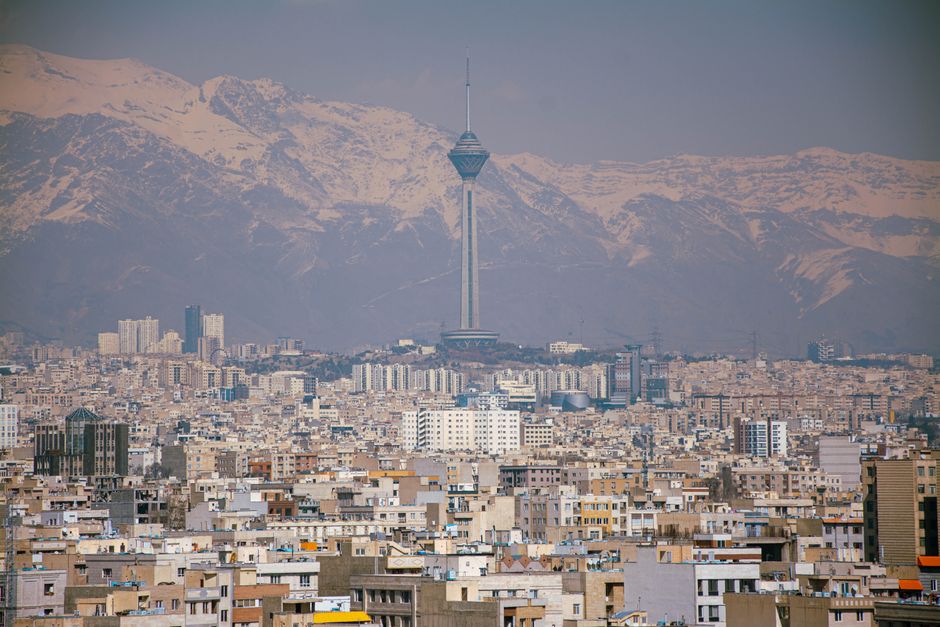
While the IRGC's statement did not disclose the precise location of Khademi's death, it coincided with reports of several airstrikes hitting residential areas near Iran's capital, Tehran, during the early hours of Monday morning.
Minister Katz also claimed that Israel had inflicted "severe damage" upon Iran's steel and petrochemical sectors, vowing to continue the "crushing" of Iranian national infrastructure to undermine its capacity to support what Israel considers terror activities and attacks against its territory. He added, "We will continue to crush the Iranian national infrastructure and lead to the erosion and collapse of the terrorist regime, and its capabilities to promote terror and fire at the state of Israel.”
This event unfolds within a broader "military campaign" reportedly conducted by the United States and Israel against high-ranking Iranian officials, including those from the IRGC. This campaign is said to have commenced on February 28, leading to Iranian retaliation and escalating the wider Middle East conflict.
The source also notes that on February 28, Iran's then-Supreme Leader, Ayatollah Ali Khameini, was reportedly killed. His son, Mojtaba, has since succeeded him, though Mojtaba's current location remains unconfirmed, with reports suggesting he is recovering from war-related injuries.
Context and background
The reported killing of Major General Majid Khademi, a senior intelligence figure within the Islamic Revolutionary Guard Corps (IRGC), marks a significant escalation in the long-standing shadow war and overt confrontations between Israel, the United States, and Iran. The IRGC is a major branch of Iran's armed forces, distinct from the regular army, and holds immense political, economic, and military power within the country. It is responsible for both internal security and projecting Iranian influence abroad, often through proxy groups in the Middle East. Its Quds Force, in particular, is known for its foreign operations and support for various non-state actors across the region. The targeting of such a high-ranking intelligence chief suggests a deliberate strategy to disrupt Iran's operational capabilities and leadership structure, especially concerning its external activities.
The conflict environment described in the source, including the reference to "day 38" of the Middle East war, points to the ongoing regional instability that has been particularly acute in recent months. While the specific "Middle East war" referred to isn't explicitly defined in the source, it generally encompasses the heightened tensions and military actions in the region, often linked to the Israel-Hamas conflict that began in October and its broader ramifications across the Levant and beyond. The involvement of the IRGC in these regional dynamics is well-documented, with various groups supported by Iran actively engaged in conflicts across Syria, Lebanon, Yemen, and Iraq, often in opposition to Israeli or Western interests.
Israel’s Defense Minister Israel Katz’s statements about "eliminating the leaders of the terrorists" and "crushing the Iranian national infrastructure" align with Israel's publicly stated policy of preventing Iran from developing nuclear weapons, countering its regional influence, and stopping its support for groups hostile to Israel. The mentioned targeting of Iran's steel and petrochemical industries underscores a strategy that extends beyond military figures to impact Iran's economic foundations. These industries are significant sources of revenue for the Iranian state, and disrupting them could potentially aim to reduce its funding for military and proxy operations, thereby weakening its overall regional posture.
The reference to an "ongoing military campaign" by the United States and Israel against Iranian leaders, commencing on February 28, suggests a coordinated and sustained effort. This campaign has precedent, with both nations historically conducting covert operations, cyberattacks, and targeted assassinations against Iranian nuclear scientists, military commanders, and other key figures. The stated goal is often to degrade Iran's capabilities and deter its actions without necessarily engaging in a full-scale declared war, though such actions carry inherent risks of wider conflict. The date of February 28 marks a specific point in this intensified campaign, indicating a shift or increase in the scope of these operations.
The mention of the death of former Supreme Leader Ayatollah Ali Khameini on February 28 and the succession of his son, Mojtaba, introduces another layer of complexity to the situation. The Supreme Leader is the highest political and religious authority in Iran, holding ultimate power over all state affairs, including military and foreign policy. A change in this leadership, especially under contentious circumstances or during a period of conflict, could have profound implications for Iran's domestic stability and foreign policy direction. The unconfirmed status and reported injuries of Mojtaba further highlight the volatile and opaque nature of leadership transitions during times of intense regional conflict. Such an event, if confirmed and detailed, would represent a monumental shift in Iranian governance, potentially creating vulnerabilities or opportunities for both internal factions and external adversaries, and could significantly influence Iran's future responses to external pressures.
What happens next
Following Israel's claim and Iran's confirmation of the death of a senior IRGC intelligence chief, a heightened state of alert and potential for retaliation is expected across the region. Iran has historically vowed to respond to attacks on its personnel or interests, often through its network of proxy forces or direct military actions, though the timing and nature of such responses can vary significantly.
Observers will closely watch for any specific Iranian response, which could manifest as direct military action against Israeli or U.S. interests, cyberattacks targeting critical infrastructure, or increased activity by allied groups in areas like Syria, Lebanon, or Iraq. The scale and method of any retaliation will be critical in determining the immediate trajectory of regional tensions and whether the conflict escalates further.
Israel is likely to maintain its aggressive posture, as articulated by Minister Katz, continuing its efforts to target what it perceives as Iranian "terrorist leaders" and strategic infrastructure. This suggests further covert or overt operations could be anticipated as part of its stated objective to dismantle Iran's capacity for regional influence and attacks.
The international community, particularly the United States, will be monitoring the situation closely, potentially engaging in diplomatic efforts to de-escalate or prepare for potential fallout. The "ongoing military campaign" cited in the source indicates a sustained strategy, implying that such high-profile incidents may not be isolated events but rather part of a continuous pressure campaign.
The reported succession and unconfirmed status of Mojtaba Khameini as the new Supreme Leader adds an element of uncertainty to Iran's internal and external policy. Clarity on his leadership and health could influence Iran's response capabilities and strategic decisions in the coming weeks, potentially impacting the stability and direction of the Islamic Republic during this volatile period.
FAQ
- Who is Major General Majid Khademi? Major General Majid Khademi was identified as the head of the intelligence organization of Iran's Islamic Revolutionary Guard Corps (IRGC), a powerful military and political entity in Iran.
- Who claimed responsibility for his death? Israel's Defense Minister, Israel Katz, publicly announced that Israel had killed Khademi. The IRGC attributed his death to an "American-Zionist (Israel) enemy" attack.
- When did this event occur? The announcement of his death was made on Monday, with the IRGC stating the attack occurred at dawn on the same day, as the Middle East conflict entered its 38th day.
- What is the broader context of this incident? This event is part of a reported "ongoing military campaign" by the United States and Israel targeting high-ranking Iranian officials and infrastructure, which began on February 28 and has intensified regional conflicts.
- Was anyone else significant mentioned in the context? Yes, Iran's former Supreme Leader, Ayatollah Ali Khameini, was reportedly killed on February 28 and succeeded by his son, Mojtaba, whose current whereabouts and health status are unconfirmed.