Satellite Megaconstellations: Reshaping the Future of Astronomy
The proliferation of large satellite constellations in Earth's orbit is presenting significant challenges to astronomical observation. These megaconstellations, designed to provide global internet access and other services, are increasingly impacting both ground-based and space-based telescopes.
The Impact on Optical Astronomy
One of the most visible effects of satellite constellations is the appearance of bright streaks in telescope images. These streaks are caused by sunlight reflecting off the satellites and interfering with the observation of distant celestial objects. This is a growing concern for astronomers who rely on clear, unobstructed images to conduct their research.
- Compromised image quality due to satellite streaks
- Difficulty observing faint or distant objects
- Reduced efficiency of astronomical surveys
Radio Interference
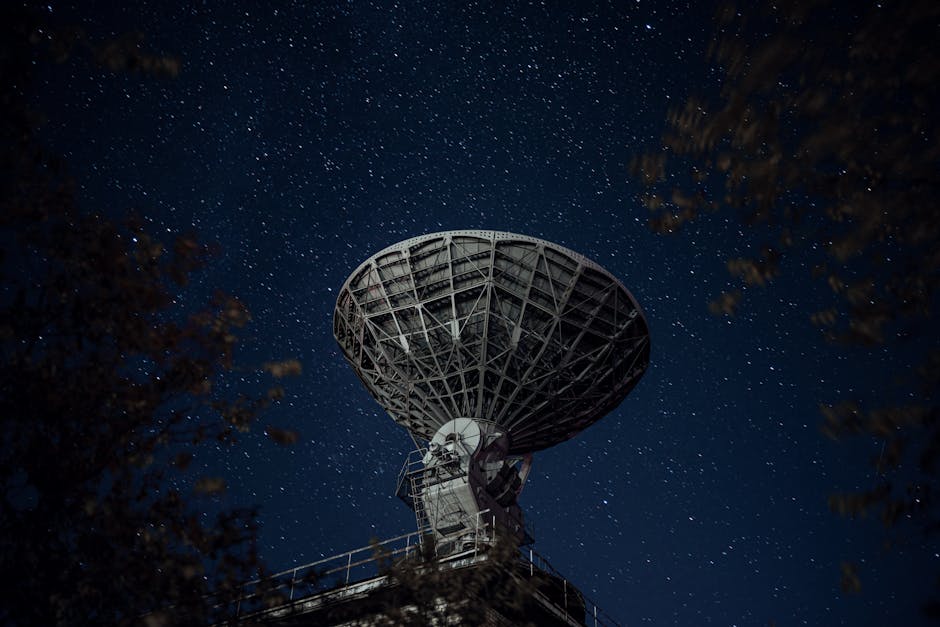
Beyond optical interference, satellite constellations also generate radio noise that can disrupt radio astronomy. Radio telescopes are designed to detect faint radio signals from space, but the increasing number of satellites transmitting radio waves is creating a growing background of noise that makes it harder to distinguish these signals.
Challenges for Future Missions
The crowded orbital environment poses challenges for future space missions. The increased risk of collisions with satellites and space debris necessitates careful planning and mitigation strategies. Furthermore, the growing amount of light scatter in orbit can affect the performance of sensitive instruments.
Long-Term Research Concerns
The long-term implications of satellite constellations for astronomical research are significant. The increasing levels of light scatter and space debris can degrade the quality of observations and potentially limit the ability to conduct certain types of research. Preserving sky clarity is essential for ensuring the continued advancement of astronomical knowledge.
Strategies for Mitigation
Efforts are underway to mitigate the impact of satellite constellations on astronomy. These include:
- Developing satellite designs that minimize reflectivity
- Implementing scheduling protocols to avoid interference with astronomical observations
- Developing advanced image processing techniques to remove satellite streaks from telescope images
- Advocating for responsible space policies that prioritize the protection of the astronomical environment
Addressing these challenges requires collaboration between the astronomy community, satellite operators, and policymakers to ensure that scientific discovery can continue alongside the development of new space-based technologies. The future of astronomy depends on finding sustainable solutions that balance the benefits of satellite constellations with the need to preserve the clarity of the night sky.