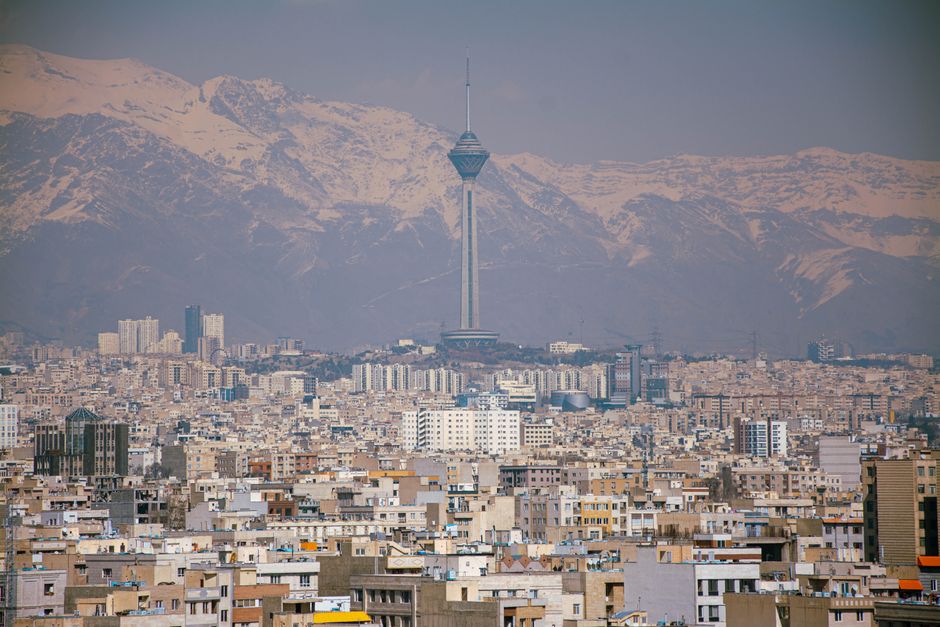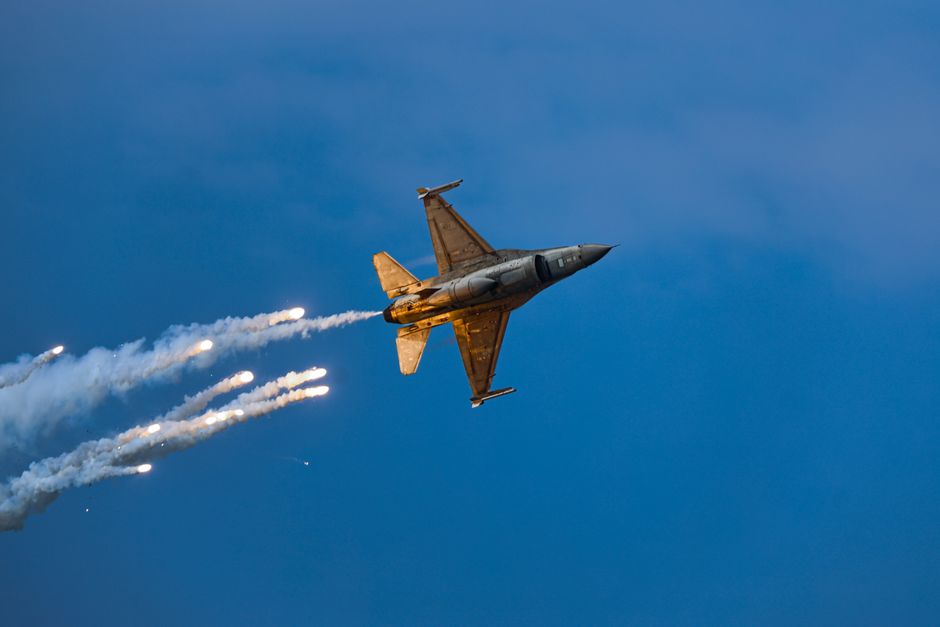

Early Monday, a series of airstrikes attributed to US-Israel forces reportedly targeted key locations in Tehran, Iran, including the esteemed Sharif University of Technology and a nearby natural gas distribution site. These attacks, as reported by Iranian state media, led to structural damage at the university and caused significant gas outages in surrounding residential areas of the capital. Separately, another strike was reported in Qom, resulting in multiple fatalities.
Key points
- Joint US-Israel airstrikes reportedly struck Tehran early Monday, impacting Sharif University of Technology and a gas facility.
- The attacks caused damage to university buildings and disrupted natural gas supply in parts of Tehran, including the Sharif neighborhood.
- Iranian state media reported multiple explosions and the sound of low-flying fighter jets throughout the night.
- A separate airstrike in Qom, south of Tehran, reportedly killed at least five people in a residential area, though its specific target remains unconfirmed.
- Sharif University has faced international sanctions due to alleged connections with Iran's military and ballistic missile program.
- Iranian authorities have not yet released updated casualty figures or details on material losses from the recent strikes.
What we know so far
Based on reports from Iranian state media outlets such as IRIB and the IRAN newspaper, early Monday saw coordinated airstrikes attributed to US-Israel forces. These strikes specifically hit the Sharif University of Technology in Tehran and a proximate natural gas distribution site. The impact resulted in damage to various university buildings and led to a temporary but widespread gas outage, particularly affecting the Sharif neighborhood and other surrounding areas of the capital. Witnesses in Tehran reported hearing multiple explosions and the distinct sound of low-flying fighter jets over several hours during the night. The precise facilities within Sharif University that were targeted have not been specified.
It has been noted that the university campus is currently devoid of students, as the ongoing broader conflict has prompted a nationwide shift to online education. This means that while physical infrastructure was affected, the immediate educational activities were already remote.
In a distinct incident, an airstrike in a residential zone within Qom, a significant Shiite seminary city located south of Tehran, was reported to have claimed the lives of at least five individuals. The intended target of this particular strike in Qom has not yet been clarified. Iranian authorities have refrained from issuing updated figures concerning overall casualties or detailed accounts of material damage incurred from recent hostilities, maintaining a level of opacity regarding the full impact of these attacks.
Context and background
The reported airstrikes in Tehran and Qom unfold against a backdrop of deeply entrenched and escalating geopolitical tensions between Iran and a coalition of Western powers, primarily the United States and Israel. This long-standing rivalry encompasses a range of contentious issues, including Iran's nuclear program, its development of ballistic missiles, and its regional influence through various proxy groups. The region has witnessed a series of tit-for-tat actions, often involving cyberattacks, maritime incidents, and targeted military operations, creating a persistent state of heightened alert.
Sharif University of Technology, often regarded as Iran's premier technical and engineering institution, holds a complex position in this geopolitical landscape. While it is a hub for scientific and academic excellence, attracting some of the nation's brightest minds, it has also been subjected to international sanctions by several nations. These sanctions stem from allegations of the university's involvement in Iran's military endeavors, particularly its purported links to the country's ballistic missile program. This program is widely understood to be overseen by the Islamic Revolutionary Guard Corps (IRGC), a powerful paramilitary organization that plays a significant role in both Iran's domestic security and its foreign policy. The IRGC itself has been a frequent target of international sanctions and military actions, with reports suggesting its personnel have increasingly utilized secondary or less obvious locations for operational purposes to evade detection and strikes.
The targeting of a natural gas distribution site, an essential piece of civilian infrastructure, raises concerns about the humanitarian impact of such operations. Disrupting gas supply in residential neighborhoods can have immediate and severe consequences for daily life, particularly for heating, cooking, and industrial operations, especially if these outages persist. Such actions often draw international condemnation and can be perceived as attempts to exert pressure on the civilian population, although the explicit intent behind striking the gas facility was not detailed in the reports. Infrastructure attacks are a common tactic in modern conflicts, aiming to cripple an adversary's logistical capabilities or demoralize its populace.
Qom, the site of the separate deadly airstrike, is not merely a city; it is a spiritual and intellectual heartland for Shiite Islam, housing numerous seminaries and religious institutions. Its significance makes any strike on its residential areas particularly sensitive, potentially escalating tensions further and drawing widespread condemnation from the Islamic world. The lack of clarity regarding the specific target in Qom adds to the uncertainty and concern surrounding the incident, leaving open questions about the intended purpose and collateral damage.
These events underscore the fragile security situation in the region, where military actions are often met with reciprocal threats or responses, perpetuating a cycle of conflict. The international community often watches these developments closely, fearing broader regional destabilization if the conflict intensifies beyond proxy skirmishes and targeted strikes. The absence of official casualty figures from Iran, while not uncommon in such situations, further complicates understanding the full scope and impact of these recent attacks, making it difficult to assess the human toll and potential for future escalation.
What happens next
The immediate aftermath of these reported strikes is likely to involve a period of heightened alert and potential retaliation from Iran, though the nature and timing of any response remain uncertain. Iran has a history of responding to perceived aggressions, often through proxy forces or cyber operations, rather than direct military confrontation with the United States or Israel. International bodies and foreign governments will likely issue statements, urging de-escalation and adherence to international law, particularly concerning civilian infrastructure and casualties. Investigations into the precise nature of the damage at Sharif University and the target in Qom are expected to continue, with Iranian authorities likely to condemn the attacks publicly and potentially seek redress through diplomatic channels, though direct engagement with the alleged perpetrators is rare.
The ongoing shift to online education at Sharif University means that academic operations may not be immediately disrupted further, but the psychological impact on students and faculty could be significant, adding to the stress of an already remote learning environment. The focus will now turn to whether these strikes represent a new, more aggressive phase in the ongoing conflict or a continuation of existing patterns of targeted military action designed to degrade specific capabilities or exert pressure. The broader implications for regional stability will also be closely monitored, as any significant escalation could draw in other regional actors and further destabilize an already volatile Middle East.
FAQ
- Q: Who is reportedly responsible for these airstrikes?
A: Iranian state media reports attribute the early Monday airstrikes in Tehran and Qom to US-Israel forces. - Q: What was the primary impact of the strikes in Tehran?
A: The strikes in Tehran damaged buildings at Sharif University of Technology and a nearby gas distribution site, causing gas outages in surrounding neighborhoods. - Q: Why is Sharif University of Technology a notable target?
A: Sharif University is a leading Iranian technical institution but has also been sanctioned internationally due to alleged links to Iran's military and ballistic missile program. - Q: Were there any casualties reported?
A: Yes, a separate airstrike in Qom reportedly killed at least five people in a residential area. Iran has not released updated overall casualty figures for the broader conflict. - Q: What is the current status of students at Sharif University?
A: The university campus is currently empty, as all classes have been shifted online nationwide due to the ongoing conflict.