AI Set to Transform Professions: Microsoft AI Chief Predicts Major White-Collar Automation
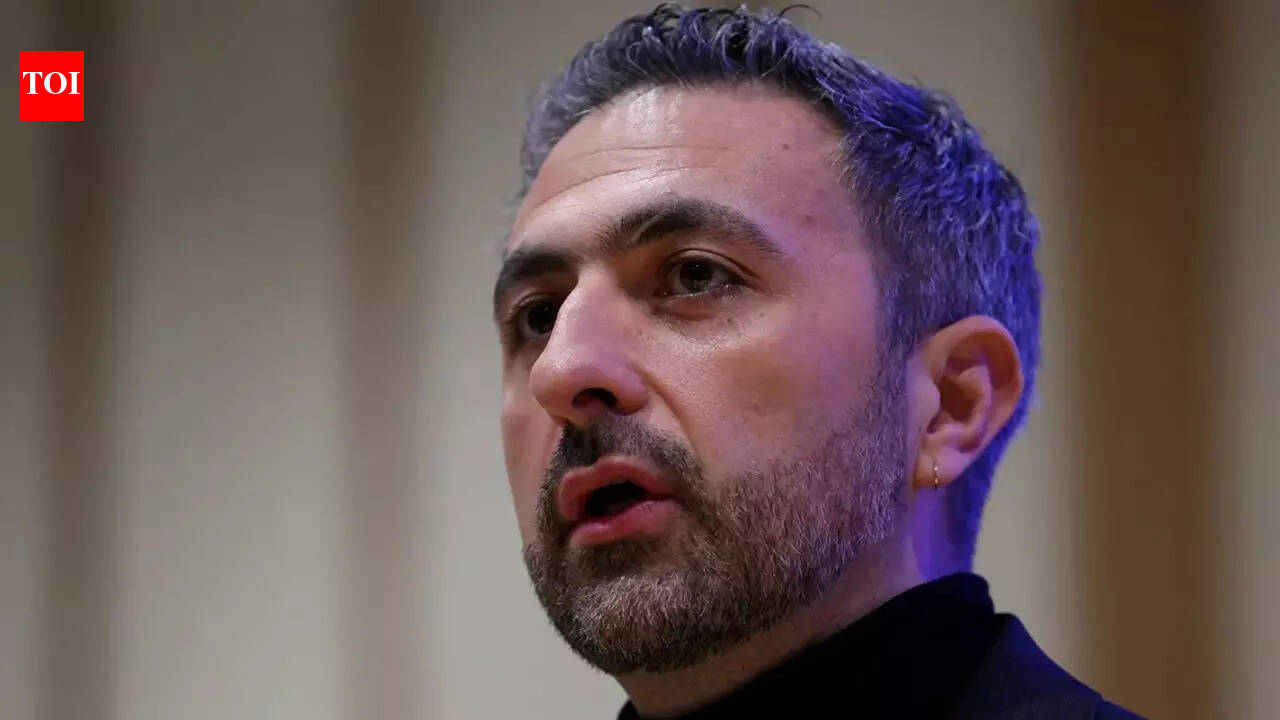
In a significant development shaking the global tech landscape, Mustafa Suleyman, the CEO of Microsoft AI, has issued a stark warning: a substantial number of white-collar roles could face automation within the next 12 to 18 months. This bold forecast, reported by the Financial Times, underscores the accelerating capabilities of artificial intelligence (AI) systems and their imminent impact on various professional sectors.
The Rapid Rise of AI in the Workplace
Suleyman highlights that the swift advancements in AI technology are poised to fundamentally reshape how professional tasks are executed across diverse fields. Areas like legal services, financial accounting, marketing strategies, and complex project management are expected to see significant shifts. This prediction fuels an ongoing discussion among prominent technology leaders concerning AI's profound influence on employment figures and the evolution of organizational workflows.
Adding to this crucial conversation, Dario Amodei, the CEO of Anthropic, recently suggested an even more aggressive timeline, claiming that the entire software engineering profession might become obsolete within just a year.
Microsoft's Vision for "Professional Grade AGI"
Microsoft AI, under Suleyman's leadership, is actively developing what he terms "professional grade AGI" (Artificial General Intelligence). These advanced AI systems are specifically designed to manage and execute the routine activities typically performed by knowledge workers. Suleyman anticipates that many office-based positions, especially those heavily reliant on computer interaction, will see a large portion of their daily tasks automated in the near future.
- Expected Automation Timeline for Office Tasks: 12 to 18 months.
- Future AI Agents: Predicted to enhance coordination across large organizations and act more autonomously within two to three years.
Microsoft's Pursuit of AI Independence
The report also sheds light on Microsoft's strategic pivot towards achieving "true self-sufficiency" in artificial intelligence. This shift follows a significant restructuring of its collaboration with OpenAI last year. While Microsoft maintains access to OpenAI's cutting-edge models, the tech giant is now heavily invested in creating its own foundational AI models. This initiative is backed by:
- Extensive large-scale computing infrastructure.
- Dedicated internal AI development teams.
Microsoft's plans include launching its proprietary AI models later this year, alongside a substantial increase in investment across vital areas such as data acquisition, advanced chip development, and the expansion of data centers to bolster its long-term AI research and development goals.
The Accelerating Pace of AI Progress: A "Dangerous" Factor
Speaking at the World Economic Forum, Anthropic CEO Dario Amodei elaborated on his concerns regarding AI's impact. He posits that the sheer "pace of progress" in AI development is a more critical and potentially "dangerous" factor for the workforce than merely the prospect of job reductions. Amodei illustrated this by highlighting AI's rapid evolution:
| Timeframe | AI Capability |
|---|---|
| Two Years Ago | Struggled to complete a single line of code. |
| Present Day | Capable of writing entire programs for engineers, including those at Anthropic. |
Amodei expressed in a recent detailed essay that AI models are quickly approaching a point where they could manage the entire scope of a software engineer's responsibilities, from start to finish. This unprecedented speed of development distinguishes AI from previous technological revolutions, making its implications for employment particularly profound and urgent to address.