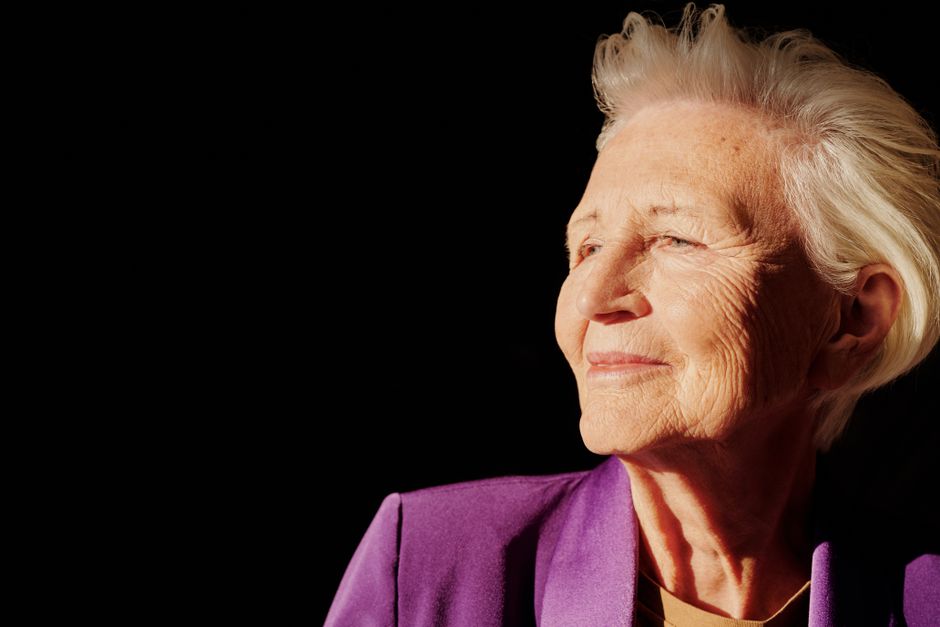

India Mourns Loss of Literary Giant Vinod Kumar Shukla
India's literary world is in mourning following the sad news of the passing of acclaimed Hindi author and Jnanpith Award winner, Vinod Kumar Shukla. The celebrated writer passed away on December 23, 2025, at the age of 89. He had been receiving care for age-related health issues and complications at AIIMS Raipur, where family sources confirmed his peaceful demise around 4:58 PM. His departure leaves a significant void in contemporary Hindi literature, prompting an outpouring of grief and heartfelt tributes from fellow authors, avid readers, and prominent public figures nationwide.
In a gesture highlighting the widespread respect he commanded, Prime Minister Narendra Modi had personally reached out to Mr. Shukla in early November, checking on his health and well-being just weeks before his demise.
A Life Dedicated to Simple Yet Profound Narratives
Born on January 1, 1937, in Rajnandgaon, Chhattisgarh, Vinod Kumar Shukla dedicated several decades to his craft. He emerged as a truly singular voice in modern Hindi writing, celebrated for his remarkable ability to weave profound depth into seemingly simple prose and poetry. Shukla's literary range was impressive, encompassing novels, short stories, and poetry. His narratives frequently blended elements of magic realism with sharp human observations, possessing a unique talent for transforming ordinary daily life into something extraordinary, imbuing commonplace events with deep philosophical and existential meaning.
Key Milestones and Accolades
Shukla's illustrious career was marked by significant accolades:
- In 1999, he was honored with the prestigious Sahitya Akademi Award for his acclaimed novel, Deewar Mein Ek Khirkee Rehti Thi (A Window Lived in a Wall).
- A monumental achievement arrived in 2025 when he was bestowed with the 59th Jnanpith Award, India's highest literary honor. This made him the first writer from Chhattisgarh to receive this esteemed recognition, further cementing his place as a national literary treasure.
The Enduring Legacy of Vinod Kumar Shukla's Unique Voice
What truly set Shukla apart was his distinctive literary voice. He deliberately moved away from complex, ornate language, choosing instead a reflective simplicity that resonated deeply with readers. His writings expertly delved into the nuances of human emotions, explored social intricacies, and captured moments of quiet contemplation, ultimately elevating everyday experiences into profound artistic expressions.
His debut novel, Naukar Ki Kameez (The Servant's Shirt), published in 1979, gained further prominence when it was adapted into a critically acclaimed film by the legendary director Mani Kaul. This adaptation showcased Shukla's versatility as a storyteller across different artistic mediums. Other notable creations include the novel Khilega Toh Dekhenge (We Shall See When It Blooms) and the poetry collection Sab Kuch Hona Bacha Rahega (Everything Remains to Be Done) from 1992. His powerful stories and verses have been translated into numerous languages, allowing his unique perspective to reach a global audience beyond the Hindi-speaking belt.
Shukla's writing style, often described as lyrical, meditative, and even surreal, profoundly influenced countless writers and readers. Through his works, many found a deep reflection of life's intricate nature, often revealing universal truths through the lens of seemingly simple rural existence. His enduring contribution lies in his remarkable ability to illuminate the inherent richness found within life's ordinary moments. Rather than relying on complex plots, his narratives celebrated the poetic essence of everyday living. His contemplative approach consistently reminded readers that literature, at its core, can be both deeply profound and refreshingly simple.
As heartfelt tributes continue to flood in from the literary community and his devoted readership, Vinod Kumar Shukla's indelible mark on Hindi literature is undeniable. His timeless writings will undoubtedly continue to inspire future generations to look beyond the superficial, discovering profound beauty in the quiet, subtle moments of life.