
Literary World Mourns Passing of Renowned Author Vinod Kumar Shukla at 88
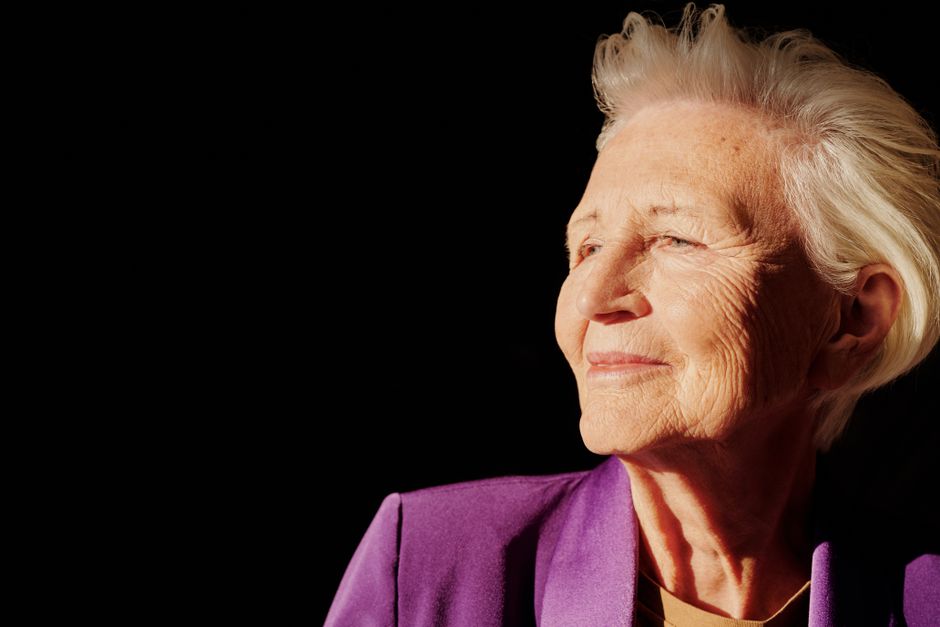
The literary community is saddened by the recent passing of Vinod Kumar Shukla, a distinguished Hindi writer and the first recipient of the prestigious Jnanpith Award from Chhattisgarh. Shukla, who was 88, passed away on Tuesday, leaving behind a profound legacy of novels and poems that captured the essence of ordinary life with extraordinary depth.
A Life Dedicated to Subtle Storytelling
Vinod Kumar Shukla was celebrated for his unique ability to weave intricate tales from the simple experiences and internal landscapes of everyday individuals. His narratives, often characterized by a gentle and unassuming tone, illuminated the human condition without ever being demanding. His prose flowed effortlessly, much like a soft breeze, while his poetry resonated with the quiet rhythm of breath.
He once shared his philosophy on memory in a documentary, stating, "Forgetting is my nature. I forget, again and again. Since forgetting is my nature, so is remembering. If I forget, I also remember. Forgetting is a form of leaving behind. Remembering is trying to bring it back." This insight reflected the thoughtful introspection present throughout his literary works.
Final Days and Last Words
Shukla had been receiving treatment for a lung condition in Raipur, the capital of Chhattisgarh, since early December and was on ventilator support in his final days. Despite his physical weakening, his passion for writing remained unbroken. His son, Shashwat, shared that his father continued to write, even from his ICU bed, carrying a writing pad and penning his last poem inspired by his hospital surroundings on December 6.
A few weeks prior to his demise, in a conversation with Prime Minister Narendra Modi, Shukla expressed his deep connection to writing, saying, "Writing is like breathing for me. I want to return home as soon as possible - I want to keep writing."
Prime Minister Modi offered his condolences via a post on social media platform X (formerly Twitter), acknowledging Shukla's "invaluable contribution to the world of literature."
Key Works and Accolades
Shukla's literary journey began with his first poetry collection, Lagbhag Jai Hind (Almost Jai Hind), published in 1971. His most acclaimed novel, Naukar Ki Kameez (The Servant's Shirt), released in 1979, was later adapted into a feature film by renowned filmmaker Mani Kaul in 1999. Initially slow to gain traction, the book saw a significant surge in popularity after 2020, becoming a bestseller and selling thousands of copies in recent years, a remarkable feat for a work published decades ago.
His significant contributions to Hindi literature were recognized with numerous awards:
- Jnanpith Award (2023): India's highest literary honor, making him the first from Chhattisgarh to receive it.
- Sahitya Akademi Award (1999): For his novel, Deewar Mein Ek Khidki Rehti Thi (A Window Lived in the Wall).
- PEN/Nabokov Award (2023): He was the first Indian to receive this prestigious international award. The judges panel praised his ability to create "literature that changes how we understand the modern."
Tributes to a Unique Voice
Fellow writers and critics have consistently highlighted Shukla's distinctive style and impact:
- Sahitya Akademi recipient Mridula Garg described him as "truly one of a kind. Articulate but not verbose, simple but not simplistic, real but not realistic, individualistic but not self-centered."
- Poet Anamika, also a Sahitya Akademi awardee, beautifully characterized the figures in his works as "a lonely man full of empathy and grace, a man of the community."
- Veteran journalist Sunil Kumar, who knew Shukla for decades, emphasized his grounded nature: "He was the most prominent Hindi writer of significance in the last half a century, but his feet remained solidly on the ground. Shukla ji was a man of unique simplicity, in language, life, and values, all."
Born in Rajnandgaon, now part of western Chhattisgarh, and holding a post-graduate degree in agriculture science, Shukla remained detached from literary politics, allowing his profound work to speak for itself. When asked about receiving the Jnanpith, he humbly stated, "Mujhe likhna bahut tha, lehin bahut kam likh paya" (I had a lot to write, but could write very little). His passing leaves readers longing for more of the quiet, graceful universe he so masterfully created.